The Traditional Tesino Costume
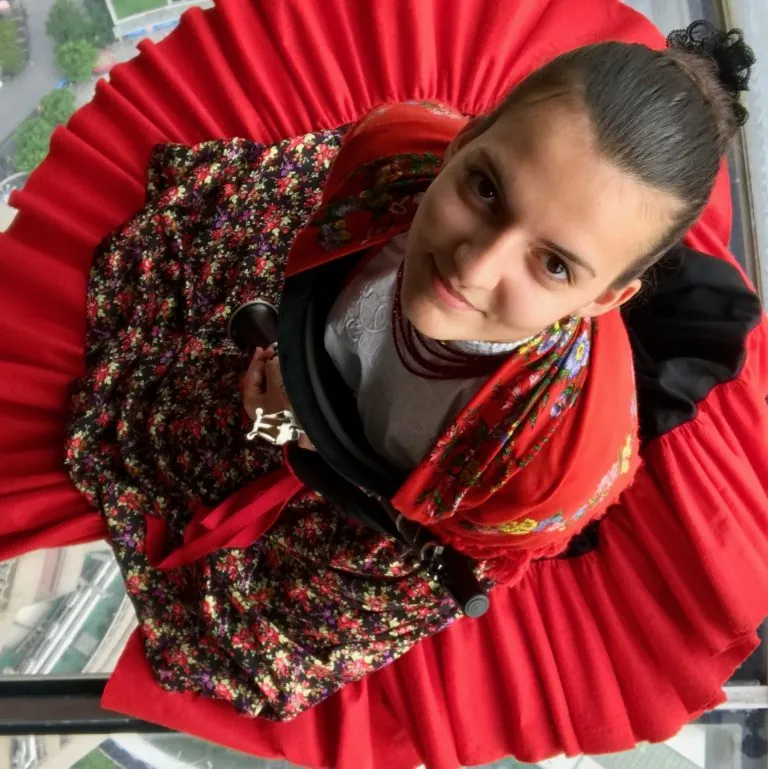
The traditional Tesino dress is the direct reflection of centuries of travels, exchanges and cultural contaminations that few other folkloric costumes can boast. Born from the transformation of the Tesino people from mountain shepherds to traveling merchants ("crömeri"), this costume tells the story of a people who knew how to reinvent themselves when, starting from the mid-16th century, the pastoral economic model went into crisis.
Every fabric and accessory was brought as a gift by the "perteganti" to their wives, fiancées or courtship interests: colorful shawls from Eastern Europe, garnet necklaces from Carinthia, French velvet and precious namoletot. It was the result of a meticulous search for uniqueness and refinement in what had almost become a social competition, making the female Tesino dress unique in the world for its variety of cultural influences.
Since 1981, the Banda Folk di Castello Tesino has proudly worn this extraordinary cultural heritage, passed down from mother to daughter for four centuries. Thanks to some modern conveniences like velcro, dressing has become more practical, but the meaning remains unchanged: it is not just a costume, but the living testimony of a commercial tradition that took our ancestors to the four corners of Europe.
Accessories and Ornaments
The Jewelry
The Hairstyle
Dress Structure
The Dress
The Dapè Colors
The Salvacore
The male version of the costume is more recent, dating back to the last century and inspired by traditional Tyrolean clothing, adapted to local culture. This costume represents the more modern evolution of the Tesino tradition, while still maintaining a strong connection to the historical roots of the valley.
The costume's history is linked to the epic of the "crömeri" merchants. Curiosity: during World War I, many women preferred to wear their traditional dress rather than risk losing it – it was their pride and personal wealth. Since 1981, the Folk Band has worn it with pride, a living testimony of centuries of tradition.
Maintenance
The costumes are regularly checked and maintained by seamstresses specialized in traditional clothing to preserve the authenticity and quality of the materials.
Storage
When not in use, the costumes are stored in special cases in a controlled environment to protect them from humidity, light and insects, preserving colors and materials.
Tradition
Caring for the costume is an integral part of each member's training. Maintenance techniques and respect for the tradition and cultural identity that the costume represents are passed down.
Upcoming Events
eventi.nessun_evento_programmato
Follow us
Follow us on social media for news, photos and upcoming events.